Language Access in Public Services, Why It Matters
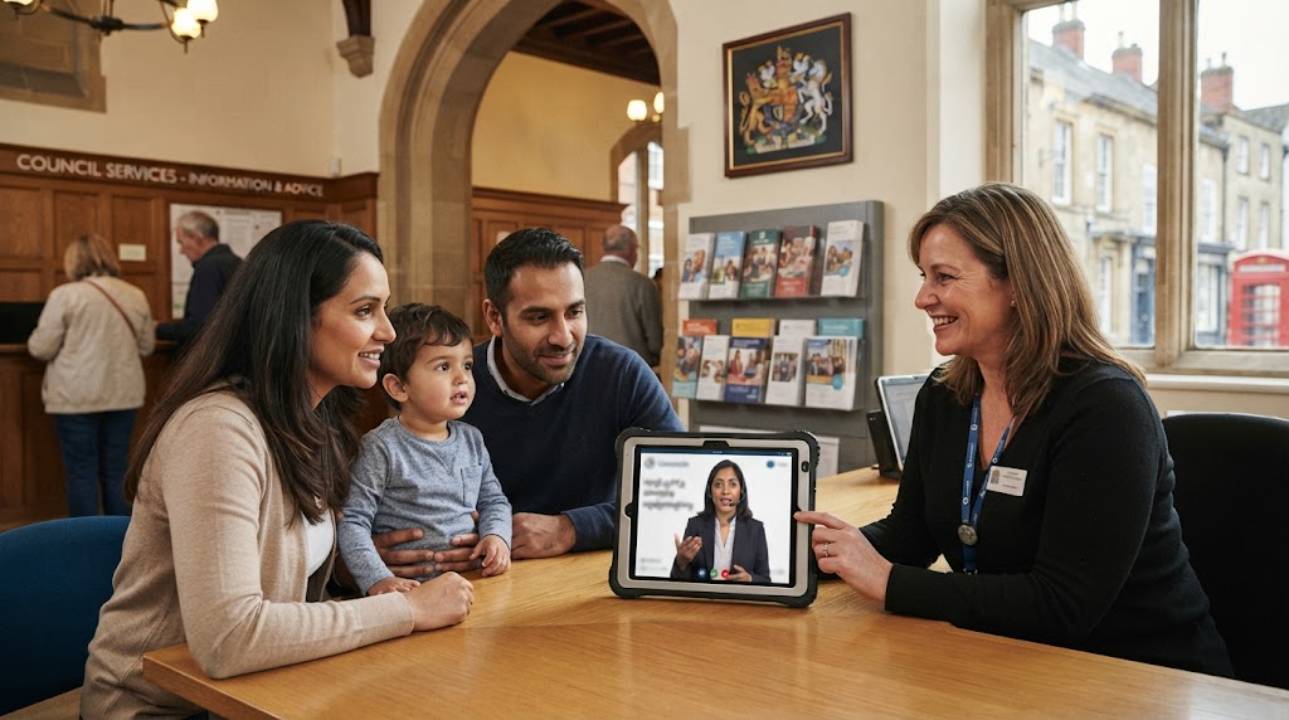
Every day, public services interact with people who do not speak the local language fluently. A newly arrived family registering a child at school, an elderly resident trying to understand a housing letter, a patient at a hospital appointment or a worker applying for benefits: each of these situations depends on clear communication. When language becomes a barrier, people may miss appointments, misunderstand their rights or fail to receive help they are entitled to. Language access is therefore not a courtesy, but a basic condition for fair and effective public service.
Who needs language support
Language needs vary widely. Some residents speak everyday English but struggle with complex forms, legal letters or medical explanations. Others have recently arrived and speak little or no English at all. Deaf residents may need sign language interpreting. Older migrants who have lived in the country for decades may still prefer their first language when dealing with sensitive matters. Effective language access recognises these differences and offers the right support for each situation.
Interpreting for face-to-face and phone contact
For conversations, professional interpreters are the gold standard. On-site interpreting suits planned appointments such as social work assessments, court hearings or complex medical consultations. Telephone and video interpreting are ideal for unplanned contact at service counters, in call centres or in emergency departments, since an interpreter can be connected within minutes in dozens of languages. Relying on family members, especially children, should be avoided, as it can lead to errors, breaches of confidentiality and emotional strain.
Translating written information
Written material is just as important. Letters, leaflets, forms, websites, signage and public health messages must be understood by the people they are meant for. Priority should be given to documents that affect rights, safety, health or finances. Following the arrival of many Ukrainian families, for example, councils and schools across the country needed accurate English to Ukrainian translation for welcome packs, school admission guidance, housing information and health advice. Many long-established communities also rely on translated materials. Public agencies serving Russian-speaking residents from across Eastern Europe and Central Asia often commission Russian translation services for information on benefits, healthcare registration and local services.
Plain language first
Translation works best when the source text is clear. Public documents written in complex, bureaucratic English are difficult to understand for native speakers and even harder to translate well. Rewriting documents in plain English before translation improves accessibility for everyone and reduces translation costs. Short sentences, clear headings and practical examples make information easier to use in any language.
Managing multilingual content efficiently
A large council or health authority may publish hundreds of documents in ten or more languages. Keeping them up to date is a real challenge. When a policy changes, every language version must be updated, and outdated translations can cause confusion or harm. A Web based translation management system helps public bodies coordinate translation requests from different departments, reuse approved translations through translation memory, track which versions are current and publish updates across all languages at the same time. It also provides a clear record of what was translated, when and by whom.
Quality and accountability
Public services should work with qualified interpreters and translators who follow professional codes of conduct, including accuracy, impartiality and confidentiality. Contracts with language service providers should specify quality standards, security requirements and response times. Feedback from staff and residents helps identify problems early. For critical documents, a second linguist should review translations before publication.
Training frontline staff
Staff need to know how to recognise when language support is needed and how to access it quickly. Short training sessions on working with interpreters, booking procedures and plain-language writing can make a big difference. When staff feel confident using these services, residents receive faster and better support.
Digital services and accessibility
More and more public services are delivered online, from applying for school places to reporting repairs or booking appointments. Digital channels can make services more accessible, but only if they are available in the languages residents understand. Key online forms, chatbots and automated messages should be translated, and websites should clearly show where information in other languages can be found. Automated translation widgets can offer a rough idea of content, but they should never replace professional translation for information that affects legal rights, health or finances. Testing digital services with residents who speak other languages quickly reveals where improvements are needed.
Practical steps for public bodies
- Collect data on the languages spoken by residents and service users.
- Set clear policies on when interpreting and translation must be offered.
- Prioritise translation of documents that affect rights, health and safety.
- Write source documents in plain language.
- Use technology to manage multilingual content consistently.
- Train staff to work effectively with interpreters.
Fair access for everyone
Language access is about ensuring that every resident can understand and use the services they are entitled to. It improves outcomes, reduces costly misunderstandings and builds trust between communities and public institutions. With the right mix of professional interpreting, quality translation, plain language and good content management, public services can truly serve everyone, whatever language they speak.